
Venue
Egypt
A Timeless Land and a Modern Hub for Dialogue
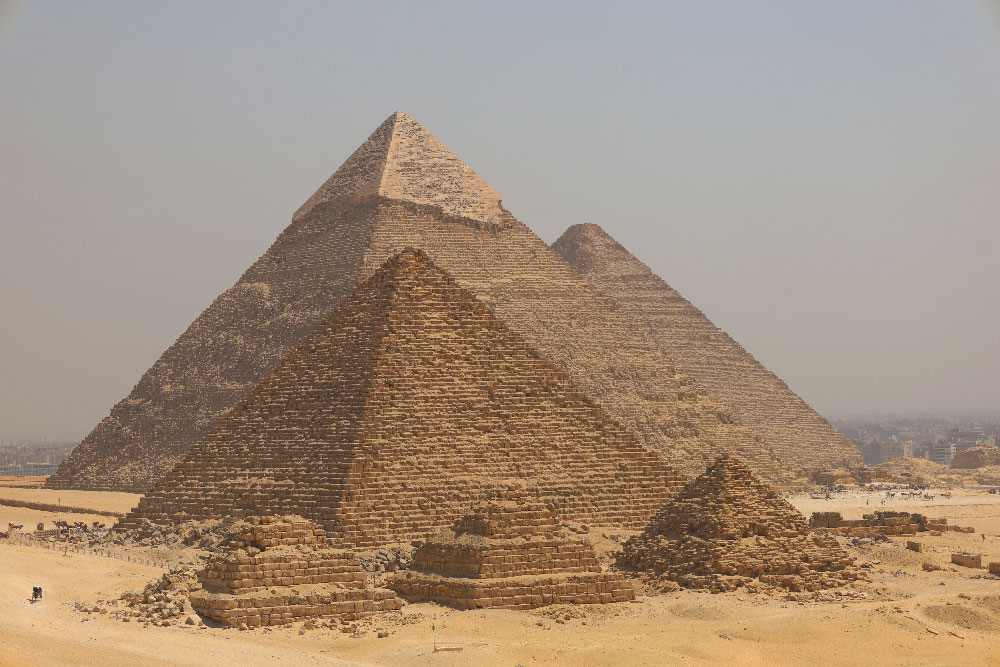
Egypt is one of the world’s most remarkable civilizations, a land whose history stretches back over five millennia. From the Pyramids of Giza and the temples of Luxor to the treasures preserved in Cairo’s museums, Egypt’s ancient monuments reflect the ingenuity and spiritual depth of a people who shaped human history. Positioned at the crossroads of Africa, Asia, and Europe, Egypt has long been a meeting point of cultures, ideas, and trade. Its legacy as a cradle of civilization continues to inspire scholars, travelers, and leaders alike.
In modern times, Egypt has emerged as a dynamic venue for international dialogue. With its strategic location, world-class facilities, and vibrant urban centers, the country regularly hosts major conferences, exhibitions, and cultural events that attract participants from across the globe. Cairo and Alexandria, in particular, combine modern infrastructure with unparalleled historical settings, offering visitors both professional opportunities and unique cultural experiences.
Above all, Egypt’s tradition of hospitality ensures that every guest feels welcome. For today’s international community, Egypt is more than a destination—it is a bridge between past and present, where history enriches contemporary exchange and inspires collaboration for the future.
Alexandria
Where Heritage Meets Modern Exchange
Alexandria is Egypt's second-largest city, a major economic hub, and a historic port city located on the Mediterranean coast. Founded by Alexander the Great in 331 BC, it served as Egypt's capital for almost a millennium and was a major center of Hellenic civilization and intellectual life in the ancient world. Known as the "Pearl of the Mediterranean," it is a popular tourist destination, particularly during the summer.
Population
Current estimated population (2024): 5,599,387 inhabitants within the Alexandria Governorate.
Geography and area
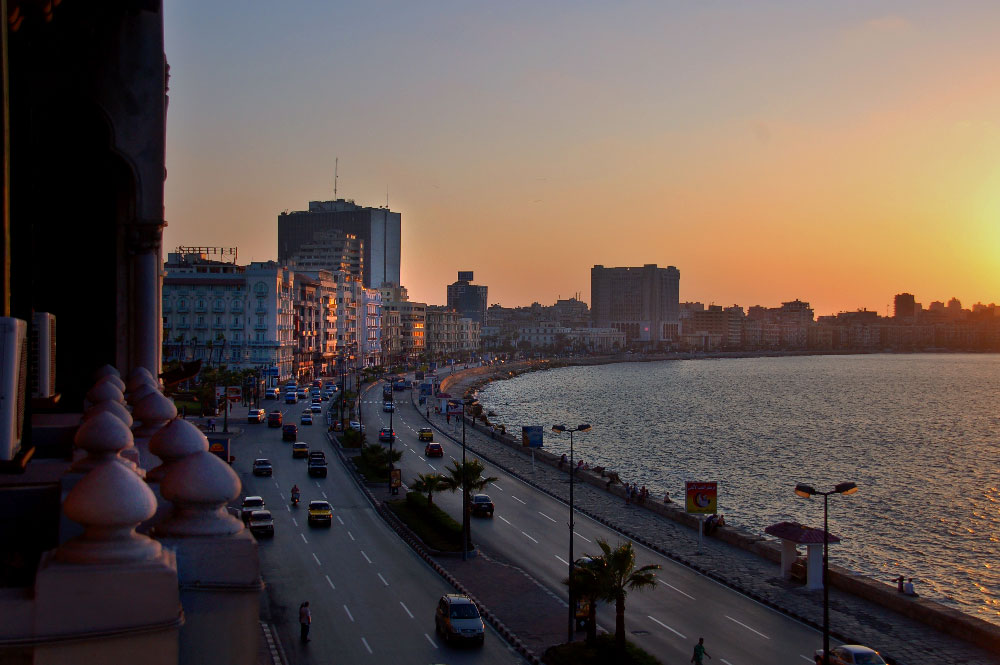
Location: Situated at the western edge of the Nile Delta, the city extends about 40 kilometers (25 miles) along the coast. Its strategic location links the Nile Valley to the sea and historically connected the Mediterranean and Red Sea trade routes.
Surface area: The Alexandria Governorate covers approximately 2,818 square kilometers (1,088 square miles). The urban area is about 1,108 km².
Economy
Major seaport: Alexandria serves as Egypt's leading port and is a key hub for the country's imports and exports, handling over 50% of its foreign trade.
Industrial center: The city is a major industrial hub, with activities including petroleum refining, textiles, food processing, and oil and gas pipelines from Suez.
Tourism: The city's Mediterranean character, beaches, and Greco-Roman heritage make it a popular tourist destination.
Climate and weather in May
Average daily temperatures: In May, the average daily high temperature ranges from 24.4°C to 27.2°C (76°F to 81°F), while the average daily low is between 16.1°C to 19.4°C (61°F and 67°F).
Humidity: The humidity comfort level rises during May, with muggy conditions becoming more noticeable, increasing from 1% at the start of the month to 23% by the end.
Precipitation: May is a very dry month in Alexandria, with a very low chance of rain (around 1%) and average monthly rainfall of only 1 mm.
Sunshine: The month sees rapidly decreasing cloud cover, with the clearest day typically occurring at the end of May. The city experiences approximately 10 hours of bright sunshine per day.
Sun protection tips during May in Alexandria
With Alexandria's high UV index during May (averaging 10 on a scale of 11), protecting your skin and eyes is essential. The following strategies offer comprehensive sun protection:
- Avoid peak sun hours: The sun's rays are strongest between 10 a.m. and 4 p.m. Plan outdoor activities for the early morning or late afternoon to minimize exposure during this period.
- Stay hydrated: The combination of heat and sun can cause dehydration. Drink plenty of water throughout the day to keep your skin and body healthy.
- Wear sunglasses: Wearing sunglasses is a critical part of protecting your eyes during the day in Alexandria, especially in May when the UV index is very high.
- Wear a wide-brimmed hat: A hat with a wide brim offers shade for your face, ears, and neck, which are often exposed to the sun.
- Protective clothing: Wear loose, lightweight clothing: Choose light-colored, breathable fabrics like cotton or linen. Loose-fitting garments allow for better air circulation and keep you cooler.
Key attractions and landmarks
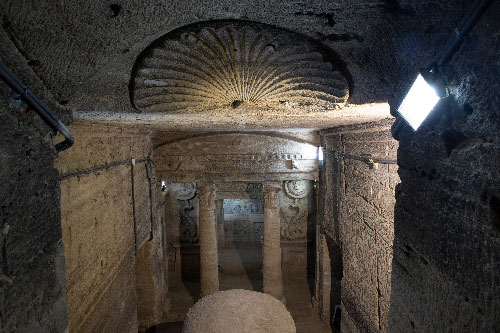
Catacombs of Kom El Shoqafa
The Catacombs of Kom el-Shoqafa are among Alexandria’s most remarkable archaeological sites and one of the best-preserved examples of funerary architecture from the Greco-Roman period in Egypt. Discovered accidentally in 1900, the catacombs date back to the 2nd century CE and were used as a family tomb before expanding into a vast multi-level necropolis.
Carved deep into the rock, the complex combines Egyptian, Greek, and Roman artistic traditions in a unique blend that reflects Alexandria’s cosmopolitan identity. Statues and reliefs depict Egyptian deities rendered in Roman style, while architectural features such as columns and friezes reveal Hellenistic influences. The main funerary chamber is adorned with richly decorated walls, sarcophagi, and motifs symbolizing the passage to the afterlife.
The site extends over three levels, with chambers, corridors, and even a banquet hall where families once gathered for ritual meals to honor the deceased. This fusion of cultural traditions and practices makes Kom el-Shoqafa a striking testament to Alexandria’s role as a crossroads of civilizations, where beliefs and artistic styles blended seamlessly.
Qaitbay Citadel
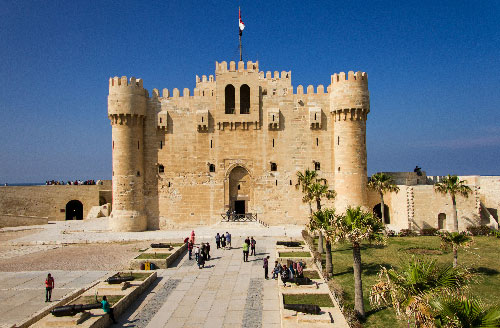
A 15th-century defensive fortress built on the site of the ancient Lighthouse of Alexandria, one of the Seven Wonders of the Ancient World. Mamluk Sultan Al-Ashraf Qaitbay ordered the fortress's construction between 1477 and 1479 to fortify Alexandria and defend against advancing Ottoman forces.
The fortress was strategically important for centuries, used by the Mamluks, Ottomans, and even Napoleon Bonaparte.
The citadel suffered heavy damage during the British bombardment of Alexandria in 1882 but was later restored and renovated, particularly during the 19th and 20th centuries.
Pompey's Pillar
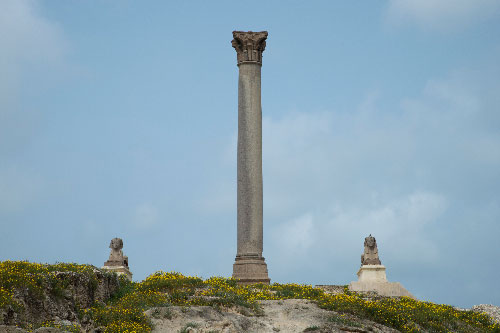
Pompey’s Pillar is one of Alexandria’s most striking ancient monuments and a landmark of the city’s Greco-Roman heritage. Rising over 26 meters (88 feet), this massive red granite column was erected in 297 CE in honor of the Roman Emperor Diocletian, who helped restore stability to Alexandria after a period of unrest. Despite its popular name, the pillar has no connection to the Roman general Pompey, but its grandeur has made it a symbol of the city’s classical past.
The column once stood within the grounds of the Serapeum, the great temple dedicated to the Greco-Egyptian god Serapis. The Serapeum was one of the most important sanctuaries in Alexandria, blending Greek and Egyptian religious traditions and serving as a center of worship and learning. Within its complex, there was also a “Daughter Library,” believed to have housed part of the collection of the Great Library of Alexandria, underscoring its intellectual importance.
Though the temple itself was destroyed in late antiquity, remnants such as underground galleries remain, offer a glimpse into its scale and significance. Together, Pompey’s Pillar and the ruins of the Serapeum evoke Alexandria’s unique role as a meeting place of cultures in the ancient world.
Montazah Palace and Royal Gardens
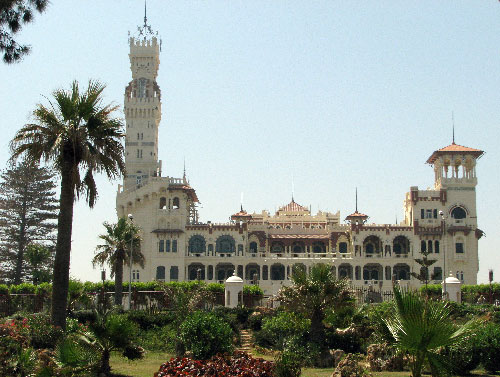
Montazah Palace and its expansive gardens form one of Alexandria’s most iconic landmarks, blending royal heritage with natural beauty. The palace complex was first established in the late 19th century by Khedive Abbas Hilmi II, who chose the Mediterranean shoreline as the site for a summer retreat. Later expanded under King Fuad I and King Farouk, the complex reflects a mix of Ottoman, Florentine, and European architectural styles, giving it a distinctive elegance.
Surrounding the palace are the renowned Montazah Gardens, covering over 150 acres of lush landscapes, palm groves, and flowered avenues that slope gently toward the sea. Historically reserved for Egypt’s royal family, the gardens were opened to the public after the monarchy ended in 1952.
Today, Montazah Palace and Gardens stand as a symbol of Alexandria’s modern royal legacy, offering visitors a unique combination of history, leisure, and Mediterranean charm.
Kom El-Dikka archaeological site
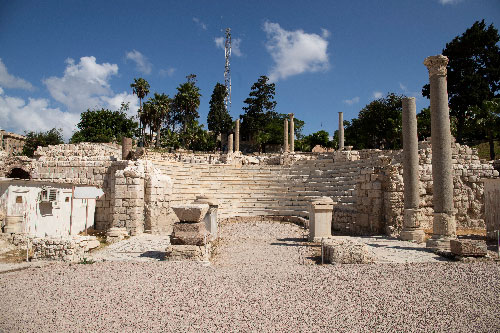
Kom el-Dikka, meaning "mound of rubble," is a significant archaeological site located in the heart of modern Alexandria. Excavated primarily by Polish teams since the 1960s, the site reveals the urban and cultural fabric of the city during the Greco-Roman and Byzantine eras. The site includes a Roman Odeon, Roman baths, the villa of the birds with its marvelous mosaic floors, and ancient lecture halls (auditoria).
Fouad Street: A Living Heritage of Alexandria
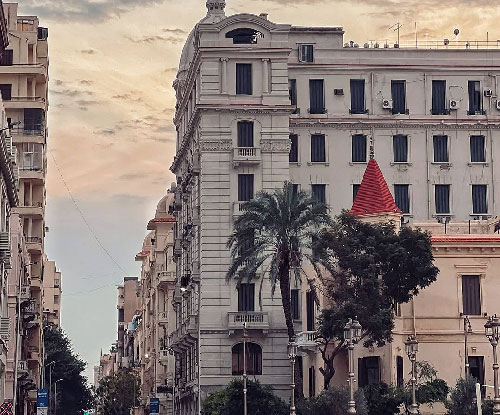
Fouad Street, one of the oldest thoroughfares in Alexandria, is often described as a living museum of the city’s cosmopolitan past. Believed to trace back to the ancient Canopic Way, it has witnessed Alexandria’s evolution from its Hellenistic foundation to its modern identity. Along its route stand historic buildings, elegant theaters, old cinemas, cafés, and architectural gems that reflect Greco-Roman, Ottoman, and European influences.
In the 19th and early 20th centuries, Fouad Street flourished as a center of social and cultural life, lined with shops, literary cafés, and performance halls that attracted artists, intellectuals, and international visitors. Today, despite urban change, it remains a key heritage destination, where the atmosphere of old Alexandria lingers. Walking along Fouad Street is to experience layers of history woven into the fabric of the modern city.
Bibliotheca Alexandrina
The Bibliotheca Alexandrina, inaugurated in 2002, was created as a modern revival of the ancient Library of Alexandria, once the greatest center of knowledge in the ancient world. The idea of reviving this lost treasure emerged in the 1970s, with the vision of restoring Alexandria’s historic role as a beacon of learning, cultural exchange, and intellectual dialogue. Supported by UNESCO and embraced by the international community, the project became a symbol of global cooperation in the service of knowledge.
Designed by the Norwegian architectural firm Snøhetta, the library is a striking landmark of modern architecture. Its vast circular form, leaning toward the Mediterranean Sea, evokes the rising sun of enlightenment, while its granite wall is engraved with characters from hundreds of writing systems, celebrating the diversity of human expression. Inside, the library can house millions of books and offers advanced research facilities, digital archives, and specialized sections for children, youth, and the visually impaired.
The Bibliotheca Alexandrina also houses several museums, including the Antiquities Museum, the Manuscripts Museum, and the Sadat Museum, along with permanent exhibitions on science, art, and heritage. Its galleries regularly host national and international art exhibitions, reflecting creativity across cultures. Welcoming over one million visitors annually, the library serves as a vibrant cultural hub where knowledge, art, and dialogue come together.
Conference Center
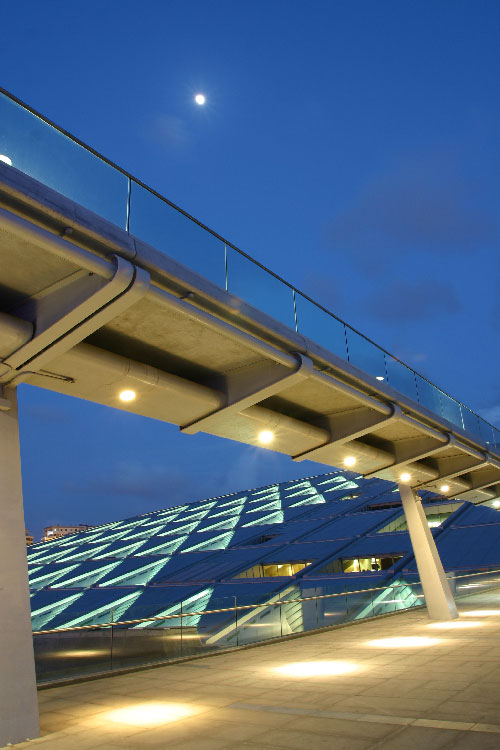
The Conference Center at Bibliotheca Alexandrina is considered the most renowned convention center in Egypt, Arab region and the Middle East. It garnered its reputation as being the centerpiece of the Bibliotheca Alexandrina. With 13 Halls in the conference center, 5 Halls in the Main Building, 2 exhibition Halls, another 3 open exhibition areas and a Plaza area. All of which accommodates different event’s types and meets our client’s various logistical needs aiming for a successful event.